Things to Do in Detroit
Motown beats, Motor City grit, and coney dogs worth crossing America for
Top Things to Do in Detroit
Find activities and tours you'll actually want to do. Book through our partners -- no booking fees.


Plan Your Trip
Essential guides for timing and budgeting
Climate Guide
Best times to visit based on weather and events
View guide →Day Trips
The best excursions and nearby destinations worth the journey
Explore day trips →Where to Stay
Best neighbourhoods, hotel picks, and booking tips
Find hotels →Travel Insurance
What's required, what coverage matters, and how to get a quote
Read guide →What to Pack
Climate-specific gear, essentials, and what to leave at home
See packing list →When Should You Visit Detroit?
Tap a month for weather, crowds, and highlights
View full year-round climate guide →Your Guide to Detroit
About Detroit
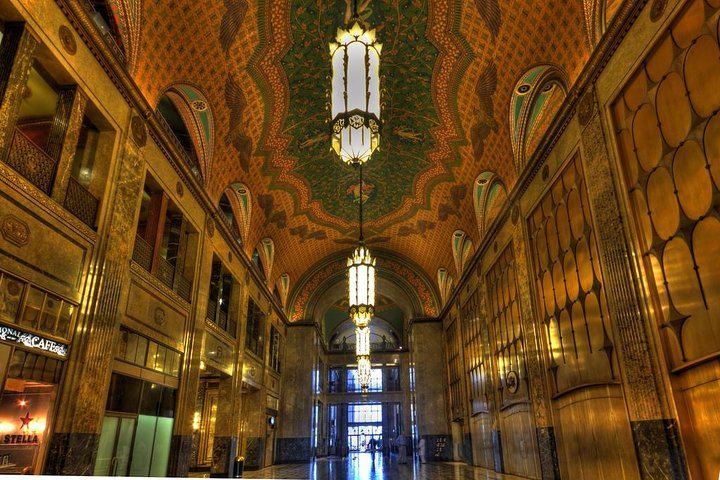
Detroit smells like hot machine oil and fresh cinnamon rolls at the same time. The morning starts with the hum of assembly lines along Grand Boulevard and the clatter of vintage trolleys heading past the Fisher Building's gold-tiled lobby, where jazz drifts out of the 1920s theater every afternoon. Downtown's Campus Martius turns into an outdoor ice rink in winter (skate rental $12) but by July the same square becomes a free beach volleyball court where office workers spike balls between skyscrapers.
Eastern Market smells like roasted coffee from Germack's century-old roastery one block over from the Saturday farmers' market where a pound of Michigan cherries runs $4. Corktown's row houses hold the city's best kept secret: Slows Bar BQ on Michigan Avenue serves pulled pork that makes Texans reconsider their loyalty, with sandwiches at $9 that'll ruin you for chain barbecue forever.
Midtown's Woodward corridor pulses with college energy from Wayne State, where the Detroit Institute of Arts (suggested donation $14) houses Diego Rivera's Detroit Industry murals that tell the city's story in Fordite chips and steelworker sweat. The riverfront's Dequindre Cut Greenway cuts through graffiti-covered underpasses where local artists tag train cars with Motown lyrics.
Yes, some streets still show the hollowed bones of abandoned mansions, but that's Detroit's honesty, it doesn't hide its scars, it builds art galleries in them. This is a city where you can drink a $3 Vernor's ginger ale while watching $300,000 classic cars cruise down Jefferson Avenue, where techno was born in warehouses and Motown still spins at Baker's Keyboard Lounge on Livernois.
The best part? Detroit hasn't figured out it's cool yet, which means you get the real thing.
Travel Tips
Transportation: The QLine streetcar runs Woodward Avenue from downtown to Grand Circus Park for $1.50, but locals will tell you to download the MoGo bike app, $10 for a day pass gets you between Corktown, Greektown, and Eastern Market faster than any car. Skip the rental at the airport. The 125 bus runs directly to downtown for $2. There's a catch: service gets spotty after 11 PM, so plan your bar crawl within walking distance or budget for Uber increase pricing during Tigers games.
Money: Detroit runs on cash at neighborhood joints, most coney islands and Eastern Market vendors won't split cards. ATMs in casinos have the lowest fees ($2-3), but the CVS on Woodward and the Chase on Campus Martius are your safest bets downtown. Michigan's 6% sales tax isn't included in menu prices, so that $8 coney dog costs $8.48. Exchange rates at the airport are terrible, use any Fifth Third bank branch instead.
Cultural Respect: When someone asks 'where you from?' they're not being nosy, it's Motor City hospitality. Say you're visiting from [your city]; locals love explaining their neighborhoods. Don't call it 'the D' unless you've lived here more than five years. Tip musicians at Cliff Bell's and Baker's, Detroit's jazz scene survives on respect, not just cover charges. The Heidelberg Project isn't just an art installation, James Holley's yard is his home. Don't climb the polka-dotted houses for Instagram photos.
Food Safety: Detroit's water is famously clean, better than most bottled brands. But skip the ice in coney islands that smell like old grease traps. The real danger isn't food poisoning, it's overeating: American Coney Island (Lafayette rivalry aside) serves chili dogs worth the 600 calories. Eastern Market's produce is the safest bet, those cherries and tomatoes were picked yesterday in Michigan soil. Food trucks at Campus Martius have health department ratings posted. Anything below an 'A' tends to disappear quickly.
When to Visit
Detroit's seasons punch hard and fast. January brings lake-effect snow and hotel prices drop 50%, but the North American International Auto Show (mid-January) spikes downtown rates back to summer levels. March is still brutal, temperatures hover around 3°C (37°F) with slush that ruins shoes. But the St. Patrick's Day parade brings $2 green beer deals.
May through September is prime time: 21-28°C (70-82°F), Belle Isle's beaches work, and Movement Electronic Music Festival (Memorial Day weekend) turns Hart Plaza into techno's mecca with three-day passes around $150. July cranks to 29°C (84°F) with 85% humidity, miserable for walking, good for brewery patios where Founders runs $6 pints.
August brings the Woodward Dream Cruise (third Saturday) when classic cars take over the avenue and hotel prices soar 40%. September through October delivers the sweet spot: 15-22°C (59-72°F), fall colors along the riverfront, and the Detroit Jazz Festival (Labor Day weekend) with free shows that would cost $80+ in New York.
November means 7°C (45°F) and Detroit Lions tailgates that'll change your mind about football food. December's Christmas markets in Campus Martius feature ice skating and hot apple cider. But pack layers, the wind off the Detroit River cuts through everything.
More Ways to Experience Detroit
Tours, day trips, and local experiences curated by on-the-ground operators.
Didn't see anything interesting yet?
Browse Viator's full catalog of tours, day trips, food experiences, and private guides in Detroit.
See All Detroit Tours on Viator